One Year Later: A Life Saved Through Trust and Teamwork

David Resstivo Reunion

On Feb. 2, 2025, 65-year-old David Restivo of Mulkeytown was rushed to SIH Herrin Hospital with severe abdominal pain and dangerously low blood pressure. A rapid CT scan revealed a ruptured abdominal aortic aneurysm (AAA)—a life-threatening emergency in which the main artery in the abdomen tears and bleeds internally.

A Second Chance, One Year Later

Ramsey and Trauma Team

One year after a devastating e-bike crash nearly took her life, 23-year-old Ramsey Uhter walked into the SIH Trauma and Critical Care Symposium with a surprise for the team that helped save her. Watch the moment when Ramsey and her parents reunited with her caregivers and hear what her recovery means to the people who were there when she needed them most.

Ion®: The Next Evolution in Lung Care

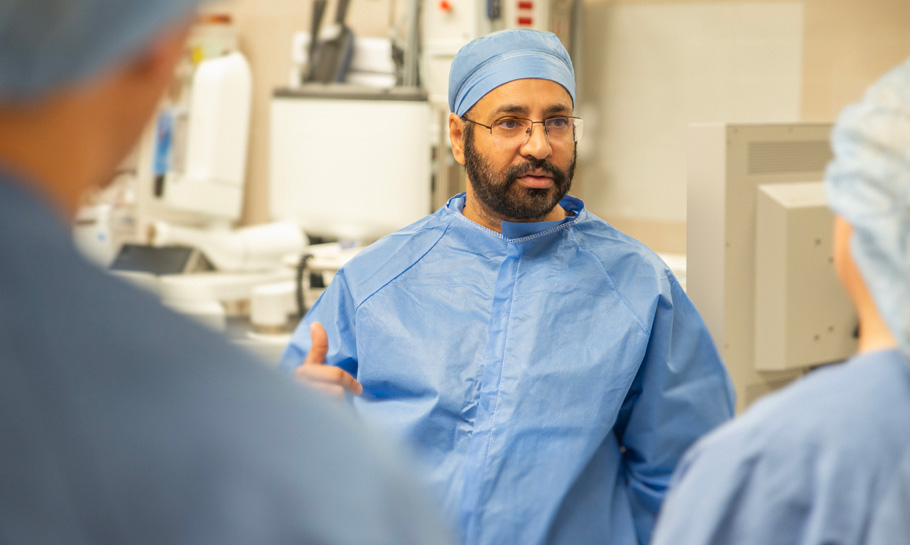
performed the region’s first Ion® robotic-assisted bronchoscopy procedures at SIH Memorial Hospital of Carbondale

Precision. Safety. Innovation. The Ion robotic-assisted bronchoscopy system represents the next evolution in lung care — combining robotic precision with advanced imaging to detect cancer at its earliest stages.

From Patient to Purpose

From Patient to Purpose

A movie night with her young daughter changed the course of Cassidy Edwards’ life. A year after discovering a lump that led to a breast cancer diagnosis at 37, the Carterville woman is sharing how her family and SIH care team carried her through treatment and inspired an unexpected new calling.

A Decade of Hope: SIH Cancer Institute Celebrates 10 Years

SIH Cancer Institute

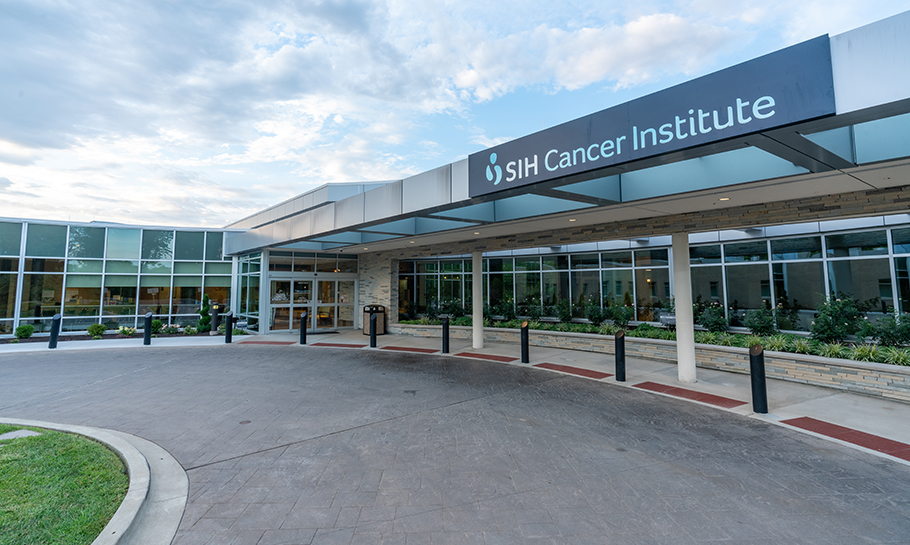
Ten years ago, the SIH Cancer Institute in Carterville opened its doors, transforming cancer care in Southern Illinois. Before its launch, patients often traveled long distances for treatment, adding stress to an already difficult journey. Today, the SIH Cancer Institute provides world-class care close to home, offering life-saving treatments to thousands each year.

Yearly Mammograms Making a Difference

Kim's Story

Kim was originally diagnosed by a screening mammogram. ’Screening’ is the mammogram you get once a year to see if there's anything to be concerned about. In Kim's case, her tumor was way in the back of her breast. There was no way she could feel it, I couldn't feel it. By the time either one of us would have been able to feel it, it most likely would have been stage three, which has a lower survival rate, more aggressive treatment. With getting it early, Kim had more treatment options.