Understanding Chest Pain and Heart Health: What I Want My Patients Over 50 to Know

By Dr. Ricardo Siller, Cardiothoracic Surgeon
As a heart and lung surgeon, one of the most common, and important, topics I discuss with patients is chest discomfort. People assume all chest pain is the same, but it can signal different problems. Some are manageable, while others require emergency care. Knowing the difference can save your life.
When someone tells me they feel pressure or tightness in their chest while walking or climbing stairs, I often think about stable angina. This happens when the heart is not getting enough blood during activity. The pattern is predictable, and symptoms usually improve with rest. While it still deserves attention, we usually have time to choose the right tests—like an EKG, blood work or a stress test—and start treatment.
Things change when symptoms occur at rest, come on suddenly or feel worse than usual. This may be unstable angina, or even a heart attack. In these cases, we move quickly. In the hospital, patients receive repeat EKGs, heart enzyme tests and close monitoring. Treatments often start right away, including aspirin, thinning the blood and sometimes procedures like heart catheterization.
Once we understand the problem, we talk about treatment options. Some people do well with lifestyle changes and medications—stopping smoking, controlling blood pressure, lowering cholesterol and adding safe exercise. Others may need a stent to open a blocked artery, or bypass surgery to create a new pathway for blood flow. Every person’s situation is different, and we choose the approach that offers the best long term result.
Recovery looks different for everyone. After a stent, most people walk on the same day. After bypass surgery, recovery might take longer, but bypass grafts usually have a longer lifespan compared to stents, which translates into a longer disease-free survival. Breathing exercises and cardiac rehab are key. No matter the treatment, taking your medicines exactly as prescribed is one of the most important parts of staying healthy.
Here is what I tell every patient: Chest pain is not always “pain.” It may feel like pressure, burning or shortness of breath. If symptoms occur at rest, last more than a few minutes, or come with sweating, nausea or fainting—call 911.
Prompt action saves heart muscle. And saving heart muscle saves lives.
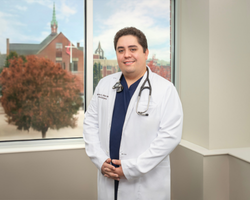
Ricardo Siller, MD
SIH Medical Group, Cardiothoracic Surgery
SIH Professional Office Building, Carbondale
618.529.0555