Gastroenterology
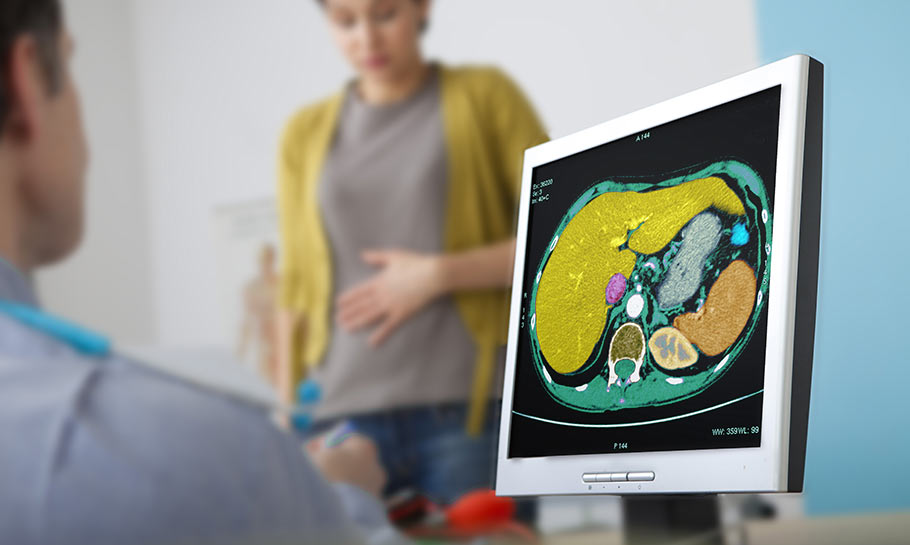
Gastroenterology is a field of medicine that treats problems with your digestive system. This includes your stomach, intestines, liver, pancreas and gallbladder.
Board-certified GI physicians and advanced practice providers have clinic hours at SIH Center for Medical Arts in Carbondale and Herrin Medical Arts. The physicians conduct procedures in same-day-surgery at all SIH hospitals.
Talk to Your Provider About these Symptoms
Should a GI consult be appropriate, you’ll need a referral from your primary care physician. The following are common symptoms that might indicate a referral is needed.- Abdominal pain
- Bloating
- Indigestion
- Gas or gas pain
- Nausea or vomiting
- Rectal bleeding during or after bowel movements
- Diarrhea
- Constipation or difficult bowel movements
- Unexplained weight loss or weight gain
- Heartburn
- Jaundice (yellowing of the skin or eyes)

Diagnosing Digestive Issues (Common Tests Used)
Endoscopy: Involves inserting a thin, flexible tube with a camera (endoscope) into the digestive tract to visually inspect the esophagus, stomach and small intestine. It helps diagnose conditions like inflammation, ulcers and tumors. Gastroenterologists can also take tissue samples during this procedure for further analysis.
Colonoscopy: A colonoscopy allows doctors to examine the entire colon by threading a flexible scope through the rectum. This test is crucial for detecting polyps, tumors and signs of colorectal cancer. It also enables the removal of precancerous growths during the procedure.
Upper GI Series (Barium Swallow): Patients drink a barium solution that coats the lining of the esophagus and stomach, followed by X-rays to visualize these organs. It helps identify structural issues like strictures or ulcers.
Stool Tests: Gastroenterologists may perform various stool tests to check for blood, infections or digestive disorders. These tests can help diagnose conditions like inflammatory bowel disease (IBD) or infections caused by bacteria or parasites.
Breath Tests: These tests can diagnose conditions such as Helicobacter pylori infection, lactose intolerance and bacterial overgrowth in the intestines. They involve analyzing the gases produced after consuming specific substances.
Imaging Tests: Imaging tests like CT scans or MRI gives detailed images of the digestive organs, helping to identify abnormalities or diseases.
Motility Studies: These tests assess how well food moves through the digestive tract. They can include esophageal motility studies and gastric emptying studies, which help diagnose conditions like gastroparesis.
Digestive Conditions Commonly Treated
- Intestinal Issues
- Irritable Bowel Syndrome (IBS): IBS affects how your stomach and intestines work. It can cause belly pain, gas, diarrhea or constipation even though nothing looks damaged.
- Inflammatory Bowel Disease (IBD): IBD causes long lasting swelling in the intestines. This can lead to pain, diarrhea and feeling very tired.
- Celiac Disease: Celiac disease means your body gets sick when you eat gluten which is found in foods like bread and pasta. Gluten damages the intestines and makes it hard for your body to absorb nutrients.
- Small Intestinal Bacterial Overgrowth (SIBO): SIBO happens when too many bacteria grow in the small intestine. This can cause bloating, gas and stomach pain.
- Food Allergies: Food allergies occur when your immune system reacts strongly to certain foods. Even small amounts can make you sick.
- Food Intolerances: Food intolerances happen when your body has trouble digesting certain foods. They can cause discomfort like gas or stomach pain.
- Stomach Ulcers: Stomach ulcers are open sores in the stomach lining. They can cause burning pain or discomfort especially after eating.
- Diverticulitis: Diverticulitis occurs when small pockets in the intestine become infected. It can cause severe belly pain and fever.
- Appendicitis: Appendicitis is swelling of the appendix. It usually causes sudden pain and often needs surgery.
- Colorectal Polyps: Colorectal polyps are small growths in the colon or rectum. Some can turn into cancer if not removed.
- Hemorrhoids: Hemorrhoids are swollen veins near the rectum. They can cause pain, itching or bleeding.
- Esophagus and Swallowing Disorders
- Swallowing Difficulties: Swallowing problems make it hard or painful to move food from your mouth to your stomach. Food may feel stuck in your throat or chest.
- Gastroesophageal Reflux Disease (GERD): GERD happens when stomach acid flows back into the throat. This causes heartburn and a burning feeling in the chest.
- Esophagitis: Esophagitis is irritation of the esophagus. It can make swallowing uncomfortable or painful.
- Hiatal Hernia: A hiatal hernia happens when part of the stomach moves up into the chest. This can make acid reflux symptoms worse.
- Liver Conditions
- Viral Hepatitis: Viral hepatitis is an infection that attacks the liver. It can cause tiredness, nausea and yellowing of the skin or eyes.
- Toxic Hepatitis: Toxic hepatitis happens when the liver is damaged by medicines, drugs or chemicals. This can cause liver swelling and pain.
- Fatty Liver Disease: Fatty liver disease occurs when too much fat builds up in the liver. Over time this can affect how the liver works.
- Cirrhosis: Cirrhosis is serious scarring of the liver that develops over many years. It makes it hard for the liver to function properly.
- Pancreas, Gallbladder and Bile Duct Conditions
- Gallstones: Gallstones are hard deposits that form in the gallbladder. They can block bile flow and cause sharp pain.
- Cholecystitis: Cholecystitis is inflammation of the gallbladder. It usually causes strong pain on the right side of the abdomen.
- Pancreatitis: Pancreatitis is swelling of the pancreas. It can cause severe abdominal pain, nausea and vomiting.
Gastroenterology’s role in cancer care
Gastroenterologists play a critical role in the early detection, diagnosis, and ongoing management of digestive system cancers. Here's how:
- Diagnosis & Staging: Gastroenterologists are a major player in diagnosing and staging cancers of the digestive system. Using endoscopy, they have direct line of sight to identify suspicious lesions and can remove or sample them with specialized training. Colonoscopy is also a key diagnostic tool — it allows physicians to examine the entire colon for tumors, polyps, and early signs of colorectal cancer, and to remove precancerous growths during the same procedure, potentially preventing cancer before it develops.
- Early Detection Through Screening: Colonoscopy is one of the most effective cancer screening tools available. Regular colonoscopies are recommended for adults beginning at age 45, or earlier for those with a family history of colorectal cancer. Early detection through colonoscopy significantly improves treatment outcomes. Learn more about cancer detection and diagnosis at SIH.
- Observation: Gastroenterologists may monitor at-risk organs such as the liver, pancreas, and colon over time — especially for patients with a history of polyps, IBD, or other conditions that increase cancer risk.
- Symptom Management: Gastroenterologists help manage symptoms that can arise during cancer treatment, including dry mouth or throat, nausea, changes in appetite, and altered bowel habits.